

The roof replacement cost Bay Area homeowners face in 2026 usually falls between $19,000 and $36,000 for a typical composition shingle home, and it can climb past $60,000 for clay tile or a large, complex roof. That wide spread explains why two quotes for the same house can look nothing alike. This guide breaks down what a new roof really costs across San Jose, the Peninsula, Santa Cruz County, and the East Bay, what pushes the price up or down on your home, and how to read an estimate so you know exactly what you are paying for.
All figures below are typical 2026 ranges for full tear-off replacements on single-family homes. Treat them as a planning tool, not a quote. Your final price depends on a measured inspection of your actual roof.
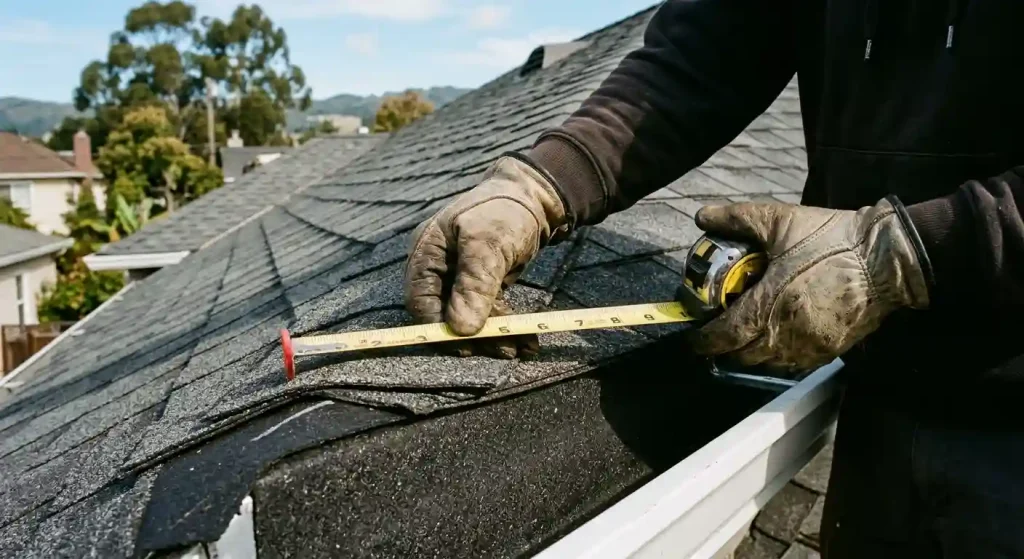
Roof Replacement Cost Bay Area Breakdown for 2026
Roofers price work by the “square,” which equals 100 square feet of roof surface. A 2,000 square foot roof is 20 squares. Pitch and overhangs make roof area larger than floor area, so a 1,700 square foot ranch can carry 20 to 24 squares.
Here is what Bay Area homeowners typically pay, installed with tear-off, underlayment, flashing, and cleanup included:
| Roofing Material | Installed Cost per Square | Typical 20-Square Roof | Expected Lifespan |
| Architectural composition shingles | $950 – $1,500 | $19,000 – $30,000 | 25 – 40 years |
| Premium or designer composition shingles | $1,300 – $1,800 | $26,000 – $36,000 | 30 – 50 years |
| Concrete tile | $1,400 – $2,200 | $28,000 – $44,000 | 40 – 50+ years |
| Clay tile | $1,900 – $3,000 | $38,000 – $60,000 | 50 – 100 years |
| Treated wood shake | $1,500 – $2,400 | $30,000 – $48,000 | 25 – 35 years |
Why are these numbers higher than the national averages you see online? Labor is the biggest reason. Skilled roofing crews here earn wages that reflect one of the most expensive housing markets in the country. Add city permit and inspection fees, California energy code requirements, wildfire rules in hillside neighborhoods, and higher disposal fees for tear-off debris, and the total climbs quickly.
Roof Replacement Cost by Material
The material you choose sets the baseline for your budget. It also decides how long the roof will last, how much maintenance it needs, and whether your home’s framing can carry the weight.
Composition Shingles
Composition (asphalt) shingles are the most common roof on Bay Area homes, and for good reason. Modern architectural shingles carry a Class A fire rating when installed as part of a tested system, come in dozens of colors, and deliver the best value per year of service for most households. Premium designer lines cost more, but they add thickness, deeper shadow lines, and stronger manufacturer warranties.
Tile Roofing
Concrete and clay tile are a signature of Spanish, Mediterranean, and Mission-style homes in San Jose, Los Gatos, and Saratoga. Concrete tile costs less than clay, while clay can outlast the house itself.
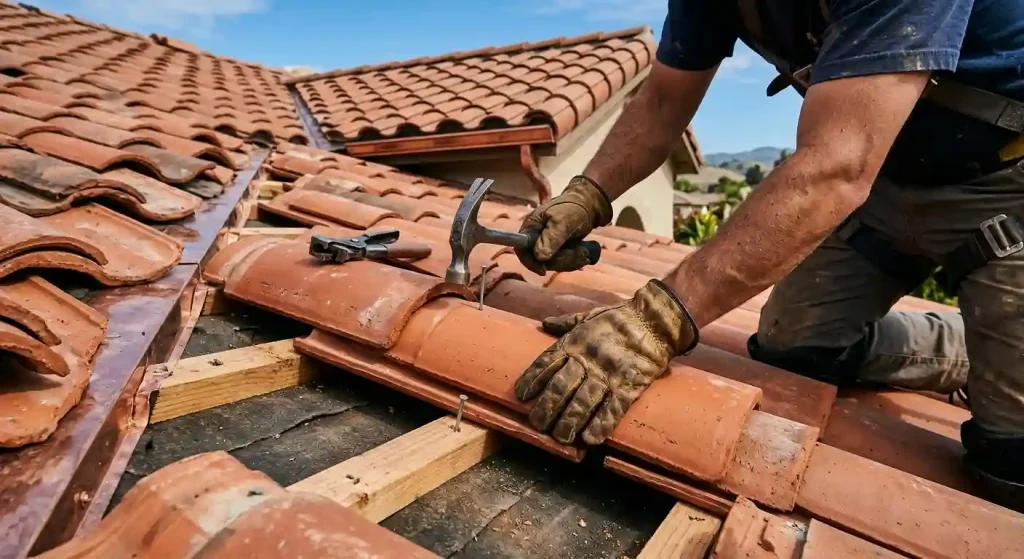
Weight is the main cost factor with tile. Tile is several times heavier than composition shingles, so switching from shingles to tile often requires an engineering review and added framing. There is good news for homes that already have tile: the tiles themselves often outlive the underlayment beneath them. In many cases, a roofer can remove the tiles, install new underlayment and flashing, and reset the original tiles for far less than a full new tile roof.
Wood Shake
Cedar shake gives older homes and hillside properties a warm, natural look. Today it must be fire-retardant treated and installed as a Class A assembly in many areas, and some cities and fire hazard zones restrict it entirely. Expect a higher price and more maintenance than composition. Many homeowners replacing an aging shake roof choose a shake-style designer shingle instead to lower both cost and fire risk.
What Affects Roof Replacement Cost on Your Home
Two houses on the same street can get very different quotes. These factors usually explain the gap.
Roof size and pitch. More squares means more material and labor. Steep roofs, roughly 8/12 pitch and above, need extra safety equipment and slower work, which raises labor costs.
Roof complexity. Every valley, hip, dormer, skylight, chimney, and vent pipe adds cutting, flashing, and time.
Layers and sheathing. California allows no more than two layers of roofing. If your home already has two, both must come off. Many Bay Area homes built in the 1960s through 1980s also have composition shingles installed over an original wood shake roof. Under those layers you will often find spaced “skip sheathing,” which needs a new plywood overlay before modern shingles can go on. That one item can add several thousand dollars.
Deck condition. Rotted or delaminated plywood is often found only after tear-off. A fair estimate lists a per-sheet replacement price up front, so you are not surprised mid-project.
Underlayment and ventilation. Synthetic underlayment, proper intake and exhaust ventilation, and new drip edge protect the roof and are often required to qualify for manufacturer warranties.
Permits and code requirements. Bay Area cities require a building permit and inspection for a roof replacement. Depending on your climate zone, California’s Title 24 energy code may call for cool roof rated products. Homes in designated fire hazard zones must meet Chapter 7A wildfire requirements for materials and vents.
Access and solar. Hillside lots, narrow driveways, large trees, and multi-story walls slow crews down and can require extra equipment. If you have solar panels, budget for removing and reinstalling them during the project.
How Location Changes Price Across the Bay Area
The Bay Area is not one market. Where your home sits affects permits, access, building styles, and fire rules, all of which shape the final roof replacement cost Bay Area contractors will quote you.
South Bay. San Jose, Santa Clara, Sunnyvale, and Cupertino have many ranch and two-story homes with composition or tile roofs. Prices typically fall in the middle of the ranges above, while tile neighborhoods such as Almaden Valley and Willow Glen trend higher.
Peninsula. Palo Alto, Los Altos, Menlo Park, and Redwood City tend to land at the upper end because of larger custom homes, stricter permit review, and complex rooflines. Eichler homes with low-slope roofs need different systems than standard shingles.
Santa Cruz County. Mountain properties often sit in fire hazard zones with steep, winding access, while coastal homes deal with salt air and moisture. Both push costs up.
South County. Morgan Hill and Gilroy include many newer homes with simpler roof designs, which often places them toward the lower end. If you live in South County, our team provides roofing in Morgan Hill and nearby communities with free, measured estimates.
East Bay. Fremont, Pleasanton, and nearby cities generally sit in the middle range, with hillside and fire-zone homes costing more.
What a Good Roof Replacement Estimate Should Include
The lowest total is not always the best deal. A low number often leaves out deck repair, new flashing, or permit fees, which show up later as change orders. Comparing line items is the most reliable way to judge the true roof replacement cost Bay Area contractors are offering. When you request a quote for professional roof replacement services, make sure the written estimate covers:
- Tear-off and disposal of all existing layers
- Per-sheet pricing for any decking or sheathing repair
- Underlayment type and brand of the new roofing material
- New flashing, drip edge, ridge, and ventilation details
- Permit and inspection responsibilities
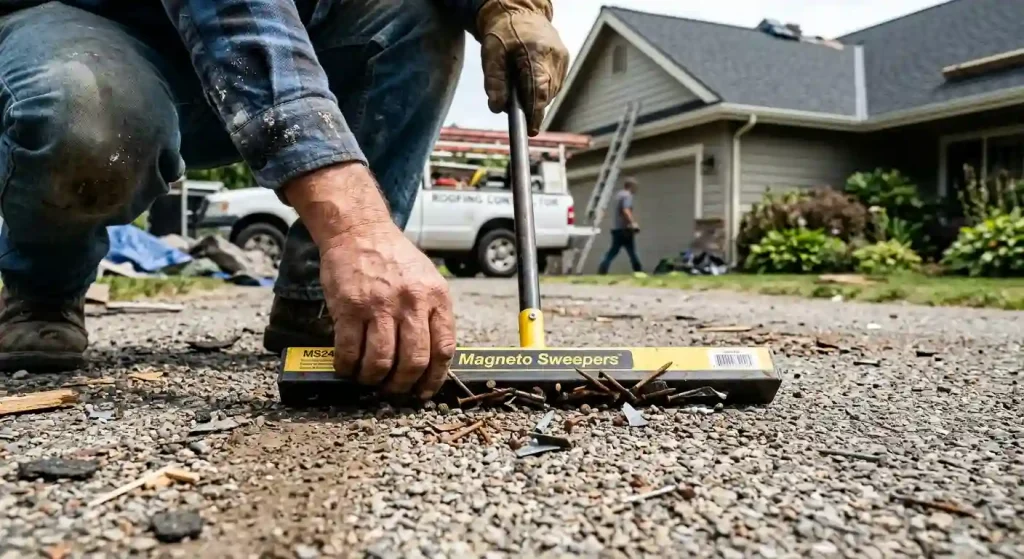
- Daily cleanup and a final magnetic nail sweep
- Manufacturer and workmanship warranty terms in writing
- Payment schedule and how change orders are handled
Watch for red flags, too. Be cautious of any contractor who quotes without measuring or inspecting the roof, suggests skipping the permit, or asks for a large deposit. Under California law, the down payment on most home improvement contracts cannot exceed $1,000 or 10% of the contract price, whichever is less. Always confirm the contractor’s license with the Contractors State License Board before signing.
Repair or Replace? Looking at Cost Over Time
If your roof is under about 15 years old and the damage is limited to one area, a repair is usually the smarter spend. If a composition roof is 20 years or older and shows curling shingles, heavy granule loss, or repeated leaks in different spots, replacement typically costs less over time than continued patching.
A helpful way to compare options is cost per year of service. A $24,000 shingle roof that lasts 30 years works out to about $800 a year. Repeated $1,500 repairs on a failing roof can approach that figure quickly, without adding any real life to the roof.
Hidden Costs and Smart Ways to Save
A few items commonly add to the total once the old roof comes off:
- Plywood overlay over skip sheathing
- Dry rot in fascia boards and eaves
- Skylight replacement or new skylight flashing
- Chimney flashing and crickets
- Solar panel removal and reinstallation
Plan your replacement before the rainy season so you are not paying for emergency tarping or interior damage. Replace gutters at the same time to avoid a second project. Ask whether financing is available so you can choose a longer-lasting material instead of the cheapest one. Finally, remember that homeowners insurance generally covers sudden damage from events like storms or fallen trees, not normal wear and age.
Final Thoughts on Roof Replacement Cost in the Bay Area
A new roof is one of the largest investments in your home, and the right price matches your roof’s actual size, condition, and material needs. Use the ranges in this guide to set a realistic budget, then compare written, itemized estimates rather than bottom-line totals alone.
If you want a clear number for your own home, Top Tier Roofing offers free roof replacement estimates across Santa Clara County, Santa Cruz, San Mateo County, Alameda County, and the surrounding Bay Area. Call (408) 337-6985 to schedule your inspection and get a detailed, written plan for your roof.
Frequently Asked Questions
How much does a new roof cost in San Jose?
Most San Jose homes with a 20 to 25 square composition shingle roof pay roughly $19,000 to $35,000 for a full replacement in 2026. Tile roofs, steep pitches, and homes that need new sheathing cost more.
Do I need a permit to replace my roof in the Bay Area?
Yes. Bay Area cities require a building permit and inspection for a roof replacement. A licensed contractor should pull the permit and schedule the inspections as part of the project.
How long does a roof replacement take?
Most composition shingle replacements take two to five working days. Tile roofs, large homes, complex rooflines, and rain delays can extend the timeline to a week or more.
Can I install a new roof over my old one?
California allows up to two layers of roofing, but most roofers recommend a full tear-off. Removing the old roof lets the crew inspect and repair the deck, and it protects your manufacturer warranty.
Does homeowners insurance pay for a roof replacement?
Insurance usually covers sudden damage from covered events such as storms, fire, or fallen trees. It typically does not cover replacement due to age or normal wear. Review your policy and document any damage with photos.
