Categories
Uncategorized

Tile Roof Replacement Cost: 2026 Bay Area Price Guide

Tile roof replacement cost in the Bay Area typically runs $28,000 to $44,000 for a concrete tile roof and $38,000 to $60,000 or more for clay tile on an average-size home in 2026. But many homeowners with an aging tile roof do not need brand-new tile at all. Because tile itself can last 50 years or more, the more common fix is replacing the underlayment and resetting the original tiles, which costs far less. If you are not sure how much life your current roof has left, our guide on how long a roof lasts in California is a good place to start.

This guide explains the real costs of full tile replacement, underlayment-only projects, and shingle-to-tile conversions, along with the factors that raise or lower the price on your home. All figures are typical 2026 Bay Area ranges for planning purposes, not quotes.
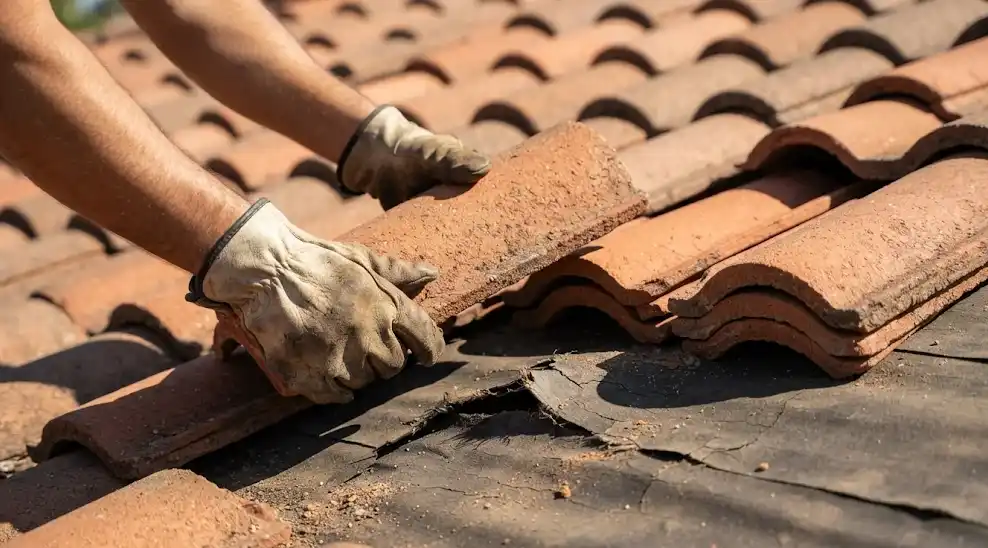
Roofer lifting clay tiles to reveal cracked underlayment, a common reason behind tile roof replacement cost

Tile Roof Replacement Cost at a Glance

Roofers price work by the “square,” which equals 100 square feet of roof surface. Most Bay Area homes with tile roofs have between 18 and 30 squares. Here are typical installed costs, including tear-off, underlayment, flashing, permits, and cleanup:

Project TypeCost per SquareTypical 20-Square Roof
Underlayment replacement, reuse existing tile$800 – $1,400$16,000 – $28,000
New concrete tile roof$1,400 – $2,200$28,000 – $44,000
New clay tile roof$1,900 – $3,000$38,000 – $60,000
Lightweight or composite tile$1,300 – $2,100$26,000 – $42,000
Shingle-to-tile conversionAdd structural costsVaries by framing needs

Bay Area prices sit well above national averages. Skilled labor, permit fees, disposal costs, and California energy and fire codes all add to the total. Tile also takes longer to install than shingles, and handling heavy tile safely on steep roofs requires experienced crews.

Full Replacement vs Underlayment Replacement

This is the most important decision on any tile roof project, and it can change your budget by tens of thousands of dollars.

Why Tile Roofs Usually Leak

The tiles on your roof are not the main waterproofing layer. They shed most of the water and protect what sits below from the sun, but the underlayment beneath them keeps water out of your home. Older felt underlayment often dries out, cracks, and fails after 20 to 30 years, even while the tiles above still look solid. That is why many tile roofs start leaking long before the tiles themselves wear out.

Underlayment Replacement (Lift and Reset)

In an underlayment replacement, the crew carefully removes and stacks the existing tiles, tears off the old underlayment, repairs any damaged decking, installs new high-quality underlayment and flashing, and then resets the original tiles. Broken pieces are replaced with matching tiles.

This approach often costs 30% to 50% less than a full new tile roof, keeps your home’s original look, and avoids the waste of throwing away tile that still has decades of life left. It is usually the best value when your tiles are in good shape.

When Full Replacement Makes More Sense

A complete new tile roof is the better choice when many tiles are cracked, crumbling, or brittle with age, when your tile profile has been discontinued and matching replacements are hard to find, or when you want a new color or style. Some older concrete tiles also lose strength over time and break easily when walked on or moved, which makes resetting them impractical.

Concrete vs Clay Tile Cost

Concrete and clay tiles look similar from the street, but they differ in price, weight, and longevity.

Concrete tile is the more affordable choice and the most common tile on Bay Area homes. It comes in flat, low-profile, and high-profile styles and many colors. Concrete tile typically lasts 40 to 50 years or more, though color can fade over time.

Clay tile costs more but offers unmatched durability and color that will not fade, because the color is fired into the material. Clay is a natural fit for Spanish, Mission, and Mediterranean homes in neighborhoods across San Jose, Los Gatos, and Saratoga. With proper underlayment maintenance, clay tile can last 50 to 100 years.

Lightweight and composite tiles are another option. They mimic the look of traditional tile at a lower weight, which can help when a home’s framing was not designed for full-weight tile. Performance and warranty terms vary by product, so compare carefully.

What Affects Tile Roof Replacement Cost

Every tile roof is different. These factors have the biggest impact on your final price.

Roof size and pitch. More squares means more material and labor. Steep roofs require extra safety equipment and slow down tile handling, which raises labor costs.

Roof complexity. Hips, valleys, dormers, chimneys, and skylights all require custom cutting and detailed flashing. Tile is harder to cut and fit than shingles, so complex roofs cost noticeably more.

Tile type and profile. Clay costs more than concrete, and specialty profiles, custom colors, and imported tiles add more. Discontinued profiles can make matching difficult on partial projects.

Breakage and salvage. During an underlayment replacement, some tiles break as they are removed and reset. Most quotes include an allowance for replacement tiles. Older or brittle tiles increase this allowance.

Underlayment choice. Premium synthetic or double-layer underlayment systems cost more up front but provide longer protection beneath long-lasting tile. On a roof meant to last 50 years, this is not the place to cut corners.

Decking repairs. Rotted or damaged sheathing is often discovered only after the old underlayment comes off. A good estimate lists a per-sheet price for repairs.

Structural reinforcement. Tile is several times heavier than asphalt shingles. If you are switching from shingles to tile, an engineer may need to confirm your framing can carry the load, and reinforcement can add thousands of dollars.

Permits and code requirements. Bay Area cities require permits and inspections for roof replacements. Homes in designated fire hazard zones must meet Chapter 7A wildfire requirements, including ember-resistant details at the eaves and ridge. Depending on your climate zone, California’s Title 24 energy code may also call for cool roof rated tile when you reroof.

Access. Hillside homes, narrow driveways, and multi-story walls make it harder to load heavy tile onto the roof and can require special equipment.
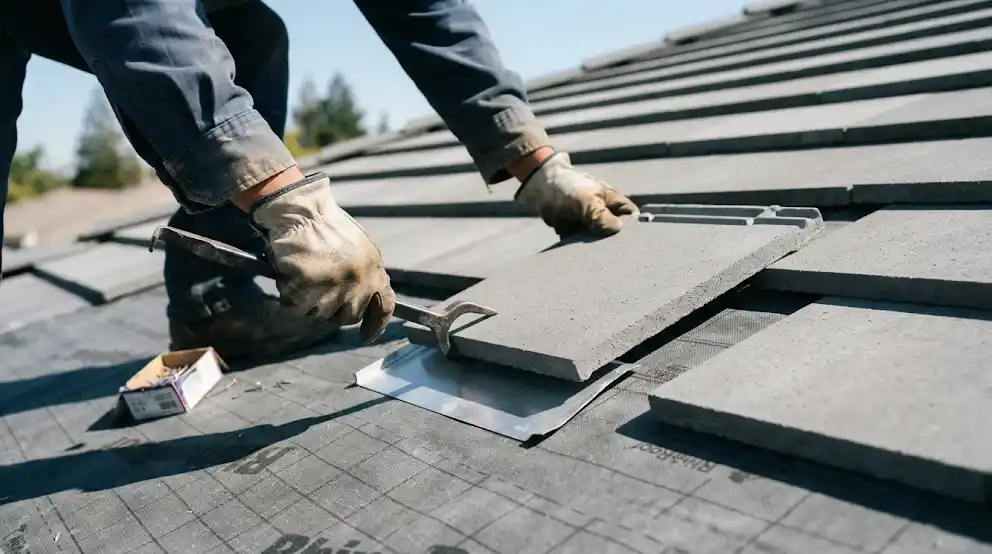
Roofer installing flat concrete tiles over new underlayment and flashing, showing labor included in tile roof replacement cost

How Location Changes Tile Roof Prices in the Bay Area

Tile roofing is especially common in certain Bay Area neighborhoods, and local conditions affect cost. In San Jose communities like Almaden Valley, Willow Glen, and Evergreen, many homes have original concrete tile roofs that are now 25 to 40 years old and ready for new underlayment. On the Peninsula, larger custom homes with complex clay tile roofs and stricter permit review tend to land at the upper end of the price range. Homeowners looking for a roofing contractor in Los Altos and nearby cities often see higher costs because of intricate rooflines and premium materials.

In the Santa Cruz Mountains and hillside areas, fire hazard requirements and difficult access push costs higher. Coastal homes may need corrosion-resistant fasteners and flashing because of salt air.

Getting an Accurate Tile Roof Estimate

A tile roof project should always start with an on-site inspection. A roofer needs to walk the roof carefully, check tile condition, look at the underlayment in several spots, and inspect the attic for signs of leaks or rot. Quotes based only on satellite measurements cannot tell you whether your tiles can be reused.

When you compare estimates, look for these details in writing:

  • Whether the quote is for full replacement or underlayment replacement with tile reset
  • Brand and type of underlayment
  • Breakage allowance and the price per replacement tile
  • New flashing at walls, chimneys, valleys, and skylights
  • Per-sheet price for decking repairs
  • Permit, inspection, and disposal costs
  • Manufacturer and workmanship warranty terms

For a detailed look at materials, profiles, and how we approach these projects, visit our tile roofing page. Be cautious of any contractor who quotes without inspecting the roof, recommends full replacement without explaining why your tiles cannot be reused, or asks for a large deposit. Under California law, the down payment on most home improvement contracts cannot exceed $1,000 or 10% of the contract price, whichever is less.

Ways to Save on a Tile Roof Replacement

Reuse your existing tile. If your tiles are in good condition, an underlayment replacement is the single biggest way to save.

Keep spare tiles. Ask your roofer to set aside extra tiles from the project for future repairs, especially if your profile is no longer made.

Plan before the rainy season. Scheduling work in late spring or summer avoids emergency repairs and interior water damage during winter storms.

Fix small problems early. Replacing a few cracked tiles or resealing flashing costs little compared with the damage a long-term leak can cause.

Ask about financing. Financing can make it easier to choose quality underlayment and materials instead of the cheapest option.
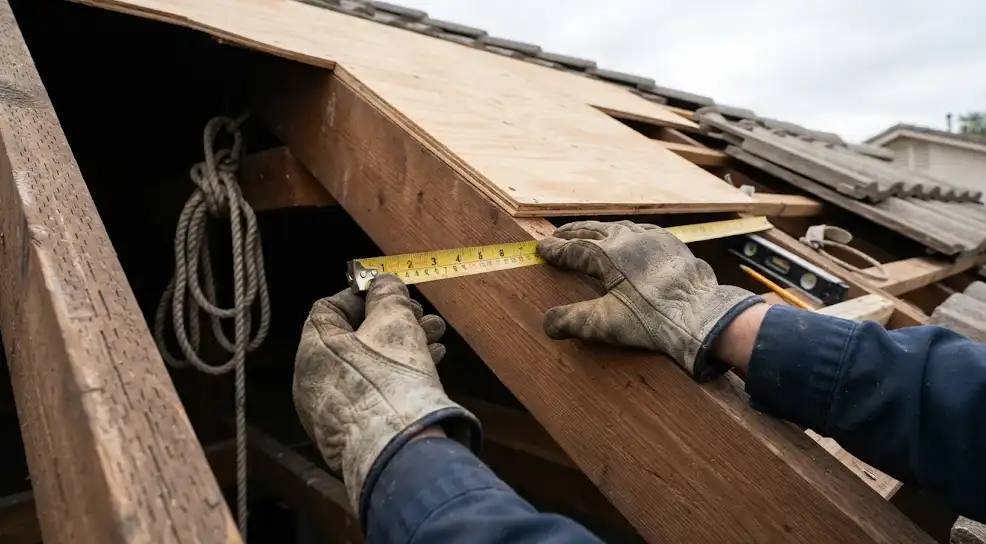
Roofer measuring rafters and new plywood sheathing during a tear off, a key factor in tile roof replacement cost

Final Thoughts on Tile Roof Replacement Cost

Tile is one of the longest-lasting roofs you can own, and the smartest way to protect that investment is to understand your options. In many cases, new underlayment with your original tiles reset gives you decades of protection at a fraction of the cost of a full new roof. When tiles are worn out or you want a new look, a full replacement in concrete or clay adds lasting value to your home.

To find out whether your tile roof can be saved or needs full replacement, Top Tier Roofing offers free inspections and detailed estimates across Santa Clara County, Santa Cruz, San Mateo County, Alameda County, and the surrounding Bay Area. Call (408) 337-6985 to schedule your visit.

Frequently Asked Questions

How much does it cost to replace a tile roof in the Bay Area?

A new concrete tile roof typically costs $28,000 to $44,000 for a 20-square roof, while clay tile runs about $38,000 to $60,000 or more. Underlayment replacement with the original tiles reset usually costs $16,000 to $28,000.

Can you replace the underlayment without replacing the tiles?

Yes. If your tiles are in good condition, a roofer can remove them, install new underlayment and flashing, and reset the original tiles. This is often the most cost-effective option for older tile roofs.

How long does a tile roof replacement take?

Most tile roof projects take one to three weeks, depending on roof size, complexity, weather, and whether tiles are being reset or replaced.

Is clay tile worth the extra cost?

Clay tile costs more than concrete, but it holds its color and can last 50 to 100 years with proper underlayment maintenance. It is often worth it for homeowners planning to stay long term or matching an original clay roof.

Can I switch from shingles to tile?

Often, yes, but tile is much heavier than shingles. An engineer may need to review your framing, and reinforcement may be required, which adds to the total cost.

Categories
Uncategorized

CertainTeed Landmark vs Landmark Pro: Which Shingle Wins?

CertainTeed Landmark vs Landmark Pro is one of the most common comparisons Bay Area homeowners make when choosing a new shingle roof. Both are dual-layer architectural shingles from the same trusted manufacturer, both carry a Class A fire rating, and both come with a limited lifetime warranty. So what does the “Pro” upgrade actually buy you, and is it worth the extra money on your home? Since shingle choice is only one part of your budget, our breakdown of roof replacement cost in the Bay Area is a helpful companion to this guide.

Below, we compare the two shingles side by side, explain where the real differences show up, and help you decide which one fits your home, your climate, and your plans.

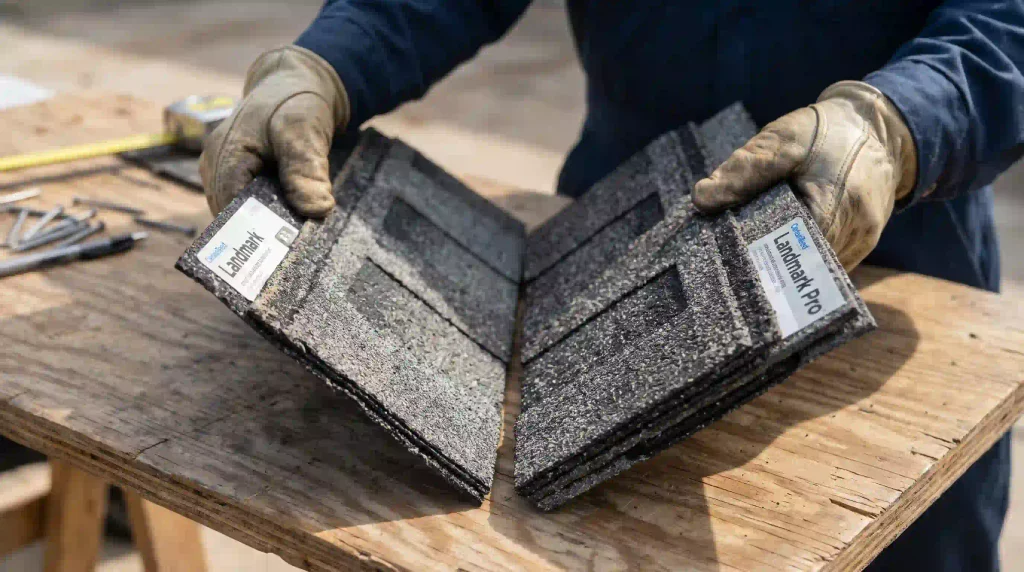
Roofer holding CertainTeed Landmark vs Landmark Pro shingle samples side by side to compare thickness and design

What Is CertainTeed Landmark?

Landmark is CertainTeed’s flagship architectural shingle and one of the most widely installed shingles in the country. It uses two laminated layers of fiberglass-based asphalt to create a dimensional, shadowed look that resembles wood shake. Compared with old three-tab shingles, it is thicker, more wind resistant, and far better looking from the street.

For many homeowners, standard Landmark is the sweet spot. It delivers dependable weather protection, a wide range of colors, and strong manufacturer coverage at a very competitive price.

What Is CertainTeed Landmark Pro?

Landmark Pro is the upgraded version of the same shingle. It keeps the proven dual-layer design but uses a heavier build and CertainTeed’s Max Def color palette, which blends granules in a way that creates more contrast and depth. The result is a richer, more natural-looking roof that stands out on larger or more visible rooflines.

Think of Landmark Pro as the same platform with a premium package: more material, better color, and longer algae protection.

CertainTeed Landmark vs Landmark Pro: Side-by-Side Comparison

Here is how the two shingles compare on the features that matter most. Always confirm details against CertainTeed’s current product data sheets, since specifications and warranty terms can change.

FeatureLandmarkLandmark Pro
Shingle typeDual-layer architecturalDual-layer architectural, heavier build
Approximate weightLighterRoughly 15 – 20% heavier per square
Color paletteStandard Landmark colorsMax Def colors with deeper contrast
Fire ratingClass AClass A
Wind warranty110 mph, 130 mph with required accessories110 mph, 130 mph with required accessories
Algae (StreakFighter) coverage10 years15 years
Manufacturer warrantyLimited lifetimeLimited lifetime
SureStart protection10 years10 years
Relative costLowerModerately higher

As the table shows, these shingles have more in common than many homeowners expect. The real differences come down to weight, appearance, algae protection, and price.

The Key Differences Explained

Weight and Thickness

Landmark Pro uses more material per square, which gives it a thicker, more substantial profile. A heavier shingle tends to lie flatter, hold its granules well, and look more dimensional on the roof. That extra mass does not change the fire rating or the standard wind rating, but many installers and homeowners can see and feel the difference.

Color and Curb Appeal

This is where Landmark Pro earns most of its reputation. The Max Def color palette uses sharper granule blending to create more contrast between light and dark tones. On a two-story home, a steep roof, or a house where the roof is a major part of the exterior, the difference is easy to see from the street. On a low-slope ranch where little of the roof is visible, the difference is more subtle.

If appearance is a top priority, view full-size samples or drive by finished homes in both shingles before you decide. Colors can look very different in Bay Area sunlight than they do in a brochure.

Algae Resistance

Both shingles include StreakFighter granules, which help prevent the black streaks caused by algae. Standard Landmark carries 10 years of algae protection, while Landmark Pro carries 15. That matters more than you might think in parts of the Bay Area. Homes near the coast, in foggy neighborhoods, or under heavy tree cover stay damp longer, and shaded north-facing slopes often streak first.

Wind and Warranty Coverage

Here the two shingles are essentially equal. Both carry a 110 mph standard wind warranty that can increase to 130 mph when installed with CertainTeed’s required starter and hip-and-ridge accessories. Both come with a limited lifetime warranty and 10 years of SureStart protection. Enhanced system warranties depend on using the right accessories and a credentialed installer, so ask your roofer exactly which warranty your project qualifies for.

Price Difference: Is the Upgrade Worth It?

Landmark Pro typically costs a modest amount more per square than standard Landmark. On a typical Bay Area home with a 20 to 28 square roof, the upgrade usually adds somewhere between several hundred and a couple thousand dollars to the total project, depending on roof size and current supplier pricing. On a full replacement, that is usually a small percentage of the overall cost.

Whether that money is well spent depends on your priorities. It also matters what else your project needs. If your roof requires new plywood, ventilation upgrades, or flashing work, those items protect your home more than a shingle upgrade does. Make sure the essentials are covered first. A professional composition roofing installer can price both shingles on the same estimate so you can see the exact difference for your home.

How Each Shingle Performs in the Bay Area Climate

The Bay Area is not hail country, so impact ratings rarely drive shingle decisions here the way they do in the Midwest. Instead, local conditions point to a few other priorities:

Heat and sun. Inland cities like San Jose, Morgan Hill, and Gilroy get long, hot summers. Strong UV exposure is tough on any asphalt shingle, so attic ventilation and proper installation matter more than the Landmark vs Pro choice. Depending on your climate zone, California’s Title 24 energy code may require cool roof rated products when you reroof. CertainTeed offers cool roof rated options, so ask your roofer which colors and versions qualify for your city.

Fog, moisture, and shade. Coastal and foothill neighborhoods stay damp longer, which encourages algae and moss. Landmark Pro’s longer algae coverage is a real benefit in these areas.

Wildfire risk. Both shingles carry a Class A fire rating when installed as part of a tested system, which is important for homes in or near designated fire hazard areas.

Curb appeal and resale. In high-value markets on the Peninsula and in the South Bay, roof appearance can influence how buyers see a home. For many homeowners getting roofing in Palo Alto and neighboring cities, the richer look of Landmark Pro is worth the small premium.

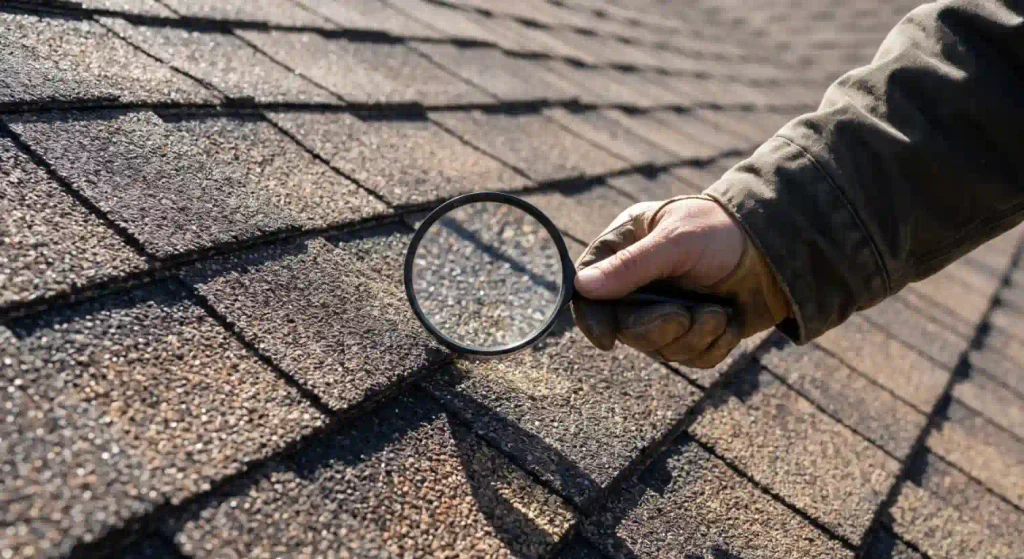
Roofer inspecting shingle granules with a magnifying glass to compare CertainTeed Landmark vs Landmark Pro durability

When Standard Landmark Is the Better Choice

Standard Landmark makes the most sense when:

  • Your budget is tight and the savings can cover essential repairs or ventilation
  • You plan to sell within a few years and want a quality roof at a reasonable cost
  • Your roof is low-slope or mostly hidden from street view
  • Your home is in a sunny, dry area where algae is less of a concern

Choosing Landmark is not settling. It is a proven, well-built architectural shingle that will protect your home for decades when installed correctly.

When Landmark Pro Is Worth the Upgrade

Landmark Pro is usually the better choice when:

  • You plan to stay in your home for 10 years or more
  • Your roof is steep, large, or highly visible from the street
  • Your home sits in a foggy, coastal, or heavily shaded area
  • You want the Max Def color depth and a more premium finish
  • The extra cost fits your budget without cutting corners elsewhere

Questions to Ask Your Roofer Before You Choose

Before you sign, ask your contractor a few simple questions so you can compare quotes fairly:

  • What is the exact price difference between Landmark and Landmark Pro on my roof?
  • Will you use CertainTeed starter, hip, and ridge shingles to qualify for the higher wind warranty?
  • Which colors meet any cool roof requirements in my city?
  • What ventilation or deck repairs does my roof need before the new shingles go on?
  • Which manufacturer and workmanship warranties will I receive in writing?

Clear answers to these questions will tell you more about the quality of your new roof than the shingle name alone.

Installation Matters More Than the Label

No shingle can make up for poor workmanship. Incorrect nailing, reused flashing, weak ventilation, and skipped accessories can shorten the life of either product and may affect warranty coverage. Whichever shingle you choose, hire a licensed contractor who installs the full CertainTeed system, pulls the proper permit, and puts warranty details in writing.

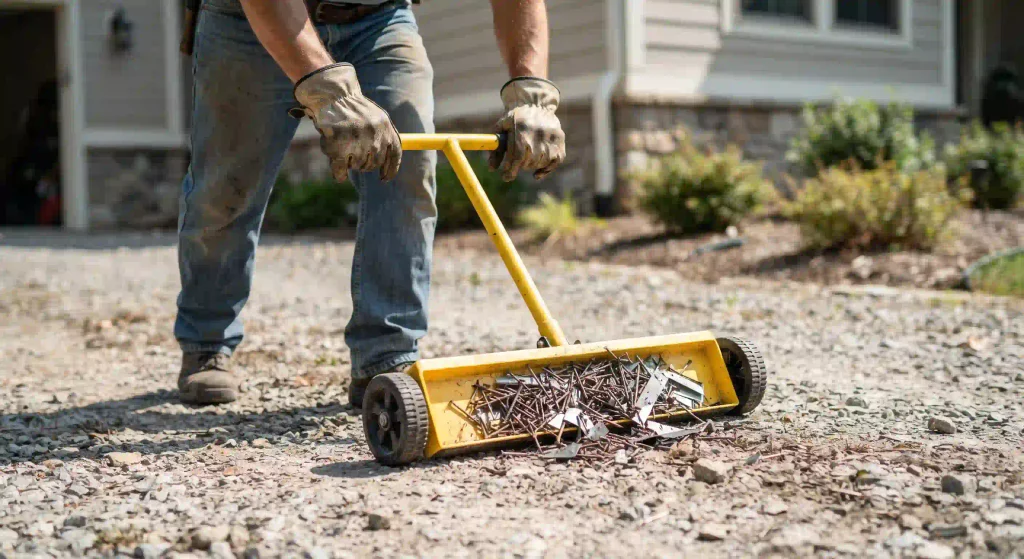
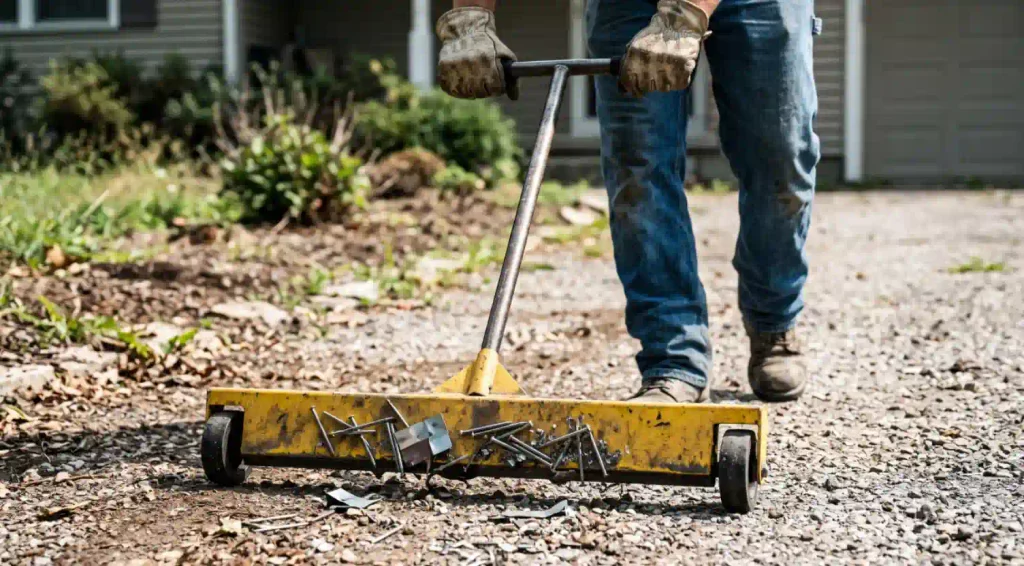
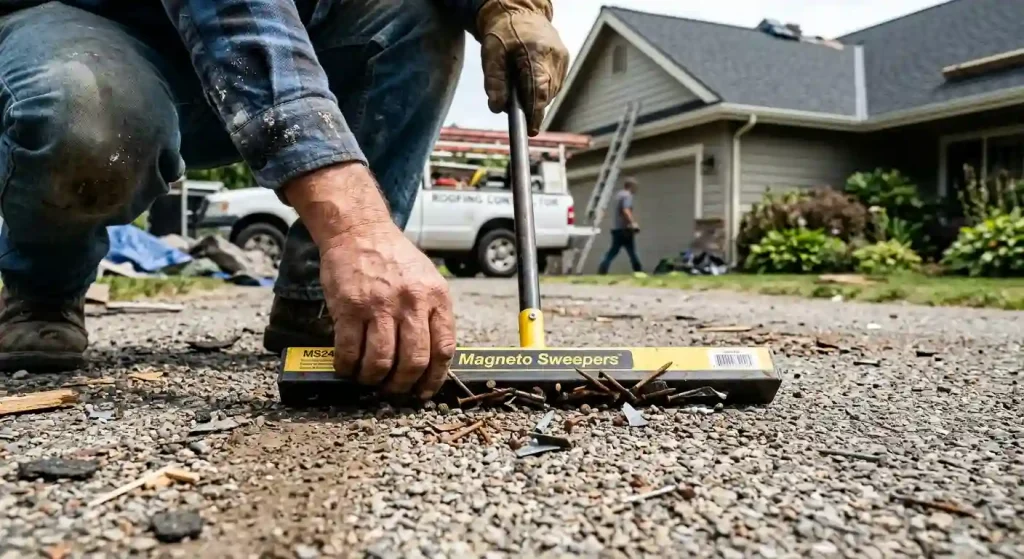
Roofer using a magnetic sweeper to collect nails after installing CertainTeed shingles, part of every Landmark vs Landmark Pro roof job

Final Thoughts on CertainTeed Landmark vs Landmark Pro

Both shingles are excellent choices. Standard Landmark offers outstanding value and dependable protection, while Landmark Pro adds a heavier build, richer Max Def color, and longer algae protection for a modest premium. For long-term homeowners with visible rooflines or damp, shaded properties, the upgrade often pays off in looks and peace of mind.

If you would like to see both options side by side on your own home, Top Tier Roofing provides free estimates across Santa Clara County, Santa Cruz, San Mateo County, Alameda County, and the surrounding Bay Area. Call (408) 337-6985 to schedule your visit and get a clear quote for each shingle.

Frequently Asked Questions

Is CertainTeed Landmark Pro better than Landmark?

Landmark Pro is the premium version, with a heavier build, Max Def colors, and longer algae protection. Standard Landmark offers the same fire rating, wind rating, and lifetime warranty at a lower price, so the better choice depends on your budget and goals.

How long do Landmark and Landmark Pro shingles last?

With proper installation and ventilation, both shingles typically last 20 to 30 years in California. Climate, attic ventilation, and maintenance affect lifespan more than the difference between the two products.

Do both shingles have the same warranty?

Both carry a limited lifetime warranty and 10 years of SureStart protection. Landmark Pro adds longer algae coverage. Enhanced system warranties depend on accessories and installer credentials.

Can I see the color difference from the street?

Usually, yes, especially on steep or two-story homes. The difference is more subtle on low-slope roofs. Viewing full-size samples or finished homes is the best way to judge.

Are Landmark shingles good for wildfire areas?

Both Landmark and Landmark Pro carry a Class A fire rating when installed as a tested system. Homes in designated fire hazard zones may also need specific underlayment, vents, and edge details to meet code.

Categories
Uncategorized

How Long Does a Roof Last in California? Lifespan Guide

How long does a roof last in California? For most homes, the answer is 20 to 30 years for composition shingles, 25 to 35 years for wood shake, and 50 years or more for tile, as long as the underlayment and flashing are kept in good shape. Those ranges shift with your material, your installer, and your local climate, which is why two roofs installed the same year can age very differently. Once you know where your roof stands, our guide to roof replacement cost in the Bay Area can help you plan the next step.

This guide covers typical roof lifespans by material, how California’s sun, coastal fog, and winter storms affect them, the warning signs that your roof is near the end, and the simple habits that add years to the roof you already have.

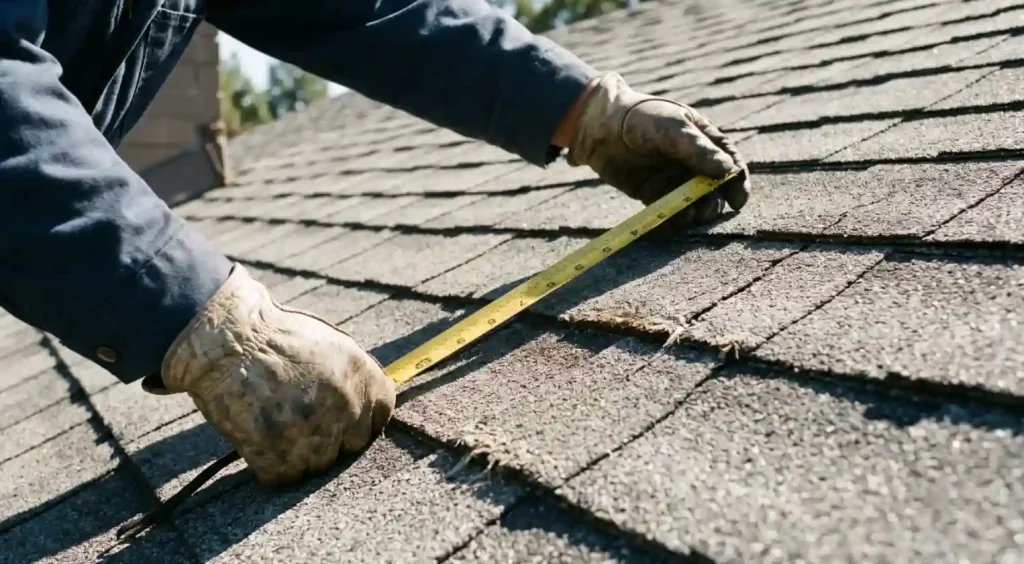
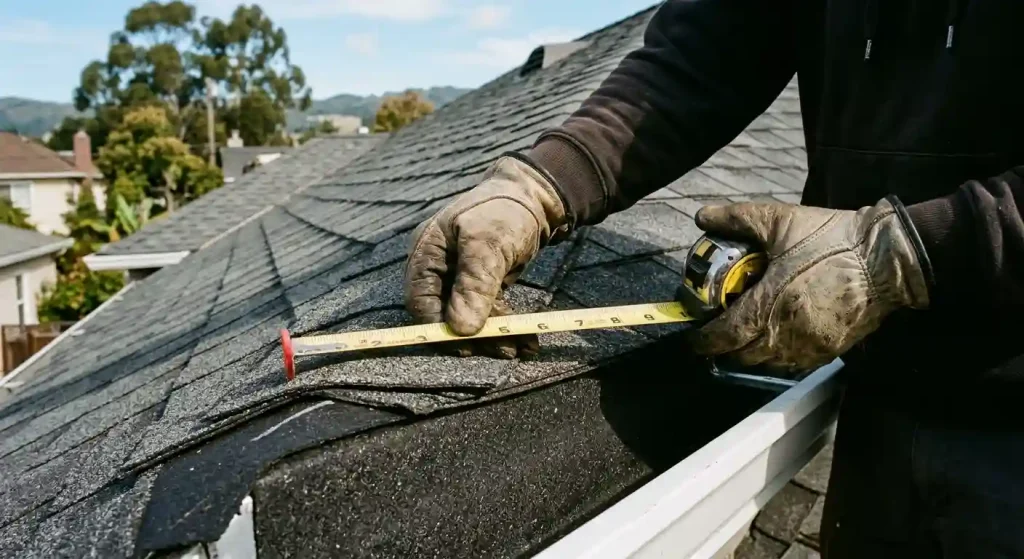
Roofer measuring worn asphalt shingles to check how long a roof lasts in California sun and heat

How Long Does a Roof Last in California by Material?

The material on your roof sets the upper limit on its life. Here are realistic ranges for California homes with proper installation and normal maintenance:

Roofing MaterialTypical California LifespanWhat Usually Fails First
Architectural composition shingles20 – 30 yearsGranules, sealant strips, and flashing
Premium or designer shingles25 – 40 yearsFlashing and ridge areas
Concrete or clay tile50+ years for the tile itselfUnderlayment, often at 20 – 30 years
Treated wood shake25 – 35 yearsSplitting, cupping, and fire treatment
Metal (standing seam)40 – 70 yearsFasteners, sealants, and coatings
Low-slope or flat systems10 – 30 yearsSeams, drainage areas, and penetrations

Keep in mind that these are averages, not guarantees. A well-built roof on a shaded, well-ventilated home can beat them. A rushed installation on a hot, south-facing roof can fall short by a decade.

It also helps to know your roof’s real age. If you bought your home without records, check your purchase disclosures, the city’s permit history, or any labels left in the attic. A roof that was quietly installed over an older layer may be older than it looks, and that changes how much life you can expect from it.

Composition Shingles

Composition shingles cover more California homes than any other material. Modern architectural shingles typically last 20 to 30 years here, while older three-tab shingles often wore out closer to 15 to 20. The manufacturer warranty may say 30 years or “lifetime,” but that number reflects coverage terms, not a promise of how long the shingles will perform on your specific roof. Heat and UV exposure are the biggest threats, slowly drying out the asphalt and loosening the protective granules.

Tile Roofing

Tile is one of the longest-lasting roofs you can own. Clay and concrete tiles routinely last 50 years or more, and many outlive the home. The catch is what sits underneath. The underlayment below the tiles is the real waterproofing layer, and it often wears out in 20 to 30 years. When a tile roof starts leaking, the tiles are usually fine. A roofer can lift them, install new underlayment and flashing, and reset the original tiles, which costs far less than a brand-new roof.

Wood Shake

Cedar shake usually lasts 25 to 35 years in California, but it needs more care than other materials. Shakes dry out, split, and cup under strong sun, and they collect moss and debris in shaded, damp spots. Many fire hazard areas now require fire-retardant treated shake installed as a Class A assembly, and some cities restrict wood roofing altogether.

Metal and Low-Slope Roofs

Standing seam metal can last 40 to 70 years, though coastal salt air can shorten that if the wrong metal or fasteners are used. Low-slope roofs, common on Eichler homes in Palo Alto and Sunnyvale, vary widely by system and typically last 10 to 30 years.

How California’s Climate Affects Roof Lifespan

California does not have one climate. It has dozens of microclimates, and each one wears a roof down in its own way.

Inland heat and sun. In San Jose, Morgan Hill, Gilroy, and the Central Valley, summer roof surfaces can get extremely hot. Long stretches of heat and UV exposure bake the oils out of asphalt shingles, making them brittle and causing granule loss. South- and west-facing slopes usually age first.

Coastal fog and salt air. Homes near the coast deal with constant moisture, which feeds moss and algae and can corrode metal flashing, vents, and fasteners. In coastal communities, working with experienced roofers in Santa Cruz who choose corrosion-resistant materials makes a real difference in how long the roof lasts.

Winter storms. California’s dry summers are followed by wet winters, and powerful storms can deliver days of heavy rain and strong wind. Weak flashing, lifted shingles, and clogged gutters that went unnoticed all summer are exposed fast once the rain arrives.

Wildfire exposure. In the Santa Cruz Mountains, the Los Gatos hills, and other wildland areas, embers and ash collect in gutters and valleys. Fire-resistant Class A materials and clean roofs are both a safety issue and a longevity issue.

Temperature swings. Many inland areas see warm afternoons and cool nights. That daily expansion and contraction stresses sealants, flashing, and fasteners over time.

Maintenance: The Factor You Control

You cannot change the weather, but you can control how well your roof is cared for. Two identical roofs can end up 5 to 10 years apart in lifespan based on maintenance alone. A professional roof maintenance program catches small issues before they turn into leaks, rot, or early replacement.

Simple habits that help your roof last longer:

  • Schedule an inspection every year, ideally in early fall before the rainy season
  • Clean gutters and downspouts so water drains off the roof quickly
  • Trim branches that rub the roof or drop heavy leaf debris
  • Remove moss and debris from valleys and shaded slopes
  • Reseal or replace worn flashing around chimneys, skylights, and vents
  • Replace missing or damaged shingles or tiles promptly
  • Check the attic for stains, damp insulation, or daylight after major storms

Never climb onto a roof yourself to inspect it. Use binoculars from the ground, look in the attic, or call a licensed roofer for a safe, close-up assessment.

Other Factors That Shorten or Extend Roof Life

Installation quality. This is the most underrated factor. Poor nailing, reused flashing, missing drip edge, and shortcuts around penetrations can shave years off even the best materials. A roof is a system, and every detail matters.

Attic ventilation. A hot, poorly vented attic cooks shingles from below. Balanced intake and exhaust ventilation keeps the roof deck cooler in summer and drier in winter, which helps prevent shingle damage and deck rot.

Roof color and cool roofs. Lighter, reflective “cool roof” products absorb less heat, which can reduce thermal stress on the roof and lower attic temperatures. Depending on your climate zone, California’s Title 24 energy code may require cool roof rated products when you reroof.

Layers. A second layer of shingles installed over an old roof traps heat and hides deck problems, and it often shortens the life of the new layer. A full tear-off is usually the better long-term choice.

Shade and trees. Some shade reduces heat, but heavy tree cover keeps roofs damp and full of debris, which encourages moss and rot.

Signs Your Roof Is Near the End of Its Life

Age is a useful guide, but condition tells the real story. Watch for these warning signs:

  • Curling, cupping, or cracked shingles
  • Bald spots or heavy granules collecting in your gutters
  • Missing shingles after wind or storms
  • Cracked, slipped, or broken tiles
  • Water stains on ceilings or in the attic
  • Sagging areas on the roof surface
  • Rusted or lifting flashing around chimneys and skylights
  • Repeated leaks in different spots

If you notice one or two isolated issues, a repair may give your roof several more good years. If you see several of these signs on a roof that is 20 years or older, it is time to start planning a replacement.

Repair or Replace? Making the Right Call

Here is a practical rule of thumb. If your roof is in the first half of its expected lifespan and the damage is limited to one area, repair it. If the roof is near or past its expected range and you are paying for repairs every year, replacement usually makes more financial sense.

It also helps to think about cost per year of service. Spending money on repeated patches for a worn-out roof buys you very little time, while a properly installed new roof gives you decades of protection. Some insurance companies also ask about roof age when writing or renewing a policy, and an older roof can affect your coverage options. A newer roof is a selling point for buyers, too, since few people want to inherit a replacement project.

Final Thoughts on How Long a Roof Lasts in California

So, how long does a roof last in California? The honest answer is as long as the material, the installation, and the care allow. Composition shingles typically give you 20 to 30 years, tile can go 50 years or more with an underlayment refresh, and every roof lasts longer when it is inspected and maintained regularly.

If you are not sure how much life your roof has left, Top Tier Roofing offers free inspections and estimates for homeowners across Santa Clara County, Santa Cruz, San Mateo County, Alameda County, and the surrounding Bay Area. Call (408) 337-6985 to schedule a visit and get a clear, honest answer about your roof.

Frequently Asked Questions

How long do asphalt shingles last in California?

Most architectural asphalt shingles last 20 to 30 years in California. Roofs in hot inland areas with poor attic ventilation may wear out sooner, while well-ventilated, shaded roofs often reach the upper end of that range.

How long does a tile roof last in California?

The tiles themselves often last 50 years or more. The underlayment beneath them usually needs replacement after about 20 to 30 years, which can often be done by lifting and resetting the original tiles.

Does the California sun shorten roof life?

Yes. Strong UV exposure and high roof temperatures dry out asphalt shingles and loosen granules over time. South- and west-facing slopes typically show wear first.

How often should I have my roof inspected?

Plan on a professional inspection once a year, ideally before the rainy season, and again after any major storm. Annual checks catch small problems before they become costly leaks.

Is a 20-year-old roof too old?

Not always. A 20-year-old tile roof may have decades left, while a 20-year-old composition roof is often near the end of its life. Condition, leak history, and material matter more than age alone.

Categories
Uncategorized

Roof Replacement Cost Bay Area: 2026 Homeowner Price Guide

The roof replacement cost Bay Area homeowners face in 2026 usually falls between $19,000 and $36,000 for a typical composition shingle home, and it can climb past $60,000 for clay tile or a large, complex roof. That wide spread explains why two quotes for the same house can look nothing alike. This guide breaks down what a new roof really costs across San Jose, the Peninsula, Santa Cruz County, and the East Bay, what pushes the price up or down on your home, and how to read an estimate so you know exactly what you are paying for.

All figures below are typical 2026 ranges for full tear-off replacements on single-family homes. Treat them as a planning tool, not a quote. Your final price depends on a measured inspection of your actual roof.

Roofing contractor measuring asphalt shingles to estimate roof replacement cost in the Bay Area

Roof Replacement Cost Bay Area Breakdown for 2026

Roofers price work by the “square,” which equals 100 square feet of roof surface. A 2,000 square foot roof is 20 squares. Pitch and overhangs make roof area larger than floor area, so a 1,700 square foot ranch can carry 20 to 24 squares.

Here is what Bay Area homeowners typically pay, installed with tear-off, underlayment, flashing, and cleanup included:

Roofing Material Installed Cost per Square Typical 20-Square Roof Expected Lifespan
Architectural composition shingles $950 – $1,500 $19,000 – $30,000 25 – 40 years
Premium or designer composition shingles $1,300 – $1,800 $26,000 – $36,000 30 – 50 years
Concrete tile $1,400 – $2,200 $28,000 – $44,000 40 – 50+ years
Clay tile $1,900 – $3,000 $38,000 – $60,000 50 – 100 years
Treated wood shake $1,500 – $2,400 $30,000 – $48,000 25 – 35 years


Why are these numbers higher than the national averages you see online? Labor is the biggest reason. Skilled roofing crews here earn wages that reflect one of the most expensive housing markets in the country. Add city permit and inspection fees, California energy code requirements, wildfire rules in hillside neighborhoods, and higher disposal fees for tear-off debris, and the total climbs quickly.

Roof Replacement Cost by Material

The material you choose sets the baseline for your budget. It also decides how long the roof will last, how much maintenance it needs, and whether your home’s framing can carry the weight.

Composition Shingles

Composition (asphalt) shingles are the most common roof on Bay Area homes, and for good reason. Modern architectural shingles carry a Class A fire rating when installed as part of a tested system, come in dozens of colors, and deliver the best value per year of service for most households. Premium designer lines cost more, but they add thickness, deeper shadow lines, and stronger manufacturer warranties.

Tile Roofing

Concrete and clay tile are a signature of Spanish, Mediterranean, and Mission-style homes in San Jose, Los Gatos, and Saratoga. Concrete tile costs less than clay, while clay can outlast the house itself.

Weight is the main cost factor with tile. Tile is several times heavier than composition shingles, so switching from shingles to tile often requires an engineering review and added framing. There is good news for homes that already have tile: the tiles themselves often outlive the underlayment beneath them. In many cases, a roofer can remove the tiles, install new underlayment and flashing, and reset the original tiles for far less than a full new tile roof.

Wood Shake

Cedar shake gives older homes and hillside properties a warm, natural look. Today it must be fire-retardant treated and installed as a Class A assembly in many areas, and some cities and fire hazard zones restrict it entirely. Expect a higher price and more maintenance than composition. Many homeowners replacing an aging shake roof choose a shake-style designer shingle instead to lower both cost and fire risk.

What Affects Roof Replacement Cost on Your Home

Two houses on the same street can get very different quotes. These factors usually explain the gap.

Roof size and pitch. More squares means more material and labor. Steep roofs, roughly 8/12 pitch and above, need extra safety equipment and slower work, which raises labor costs.

Roof complexity. Every valley, hip, dormer, skylight, chimney, and vent pipe adds cutting, flashing, and time.

Layers and sheathing. California allows no more than two layers of roofing. If your home already has two, both must come off. Many Bay Area homes built in the 1960s through 1980s also have composition shingles installed over an original wood shake roof. Under those layers you will often find spaced “skip sheathing,” which needs a new plywood overlay before modern shingles can go on. That one item can add several thousand dollars.

Deck condition. Rotted or delaminated plywood is often found only after tear-off. A fair estimate lists a per-sheet replacement price up front, so you are not surprised mid-project.

Underlayment and ventilation. Synthetic underlayment, proper intake and exhaust ventilation, and new drip edge protect the roof and are often required to qualify for manufacturer warranties.

Permits and code requirements. Bay Area cities require a building permit and inspection for a roof replacement. Depending on your climate zone, California’s Title 24 energy code may call for cool roof rated products. Homes in designated fire hazard zones must meet Chapter 7A wildfire requirements for materials and vents.

Access and solar. Hillside lots, narrow driveways, large trees, and multi-story walls slow crews down and can require extra equipment. If you have solar panels, budget for removing and reinstalling them during the project.

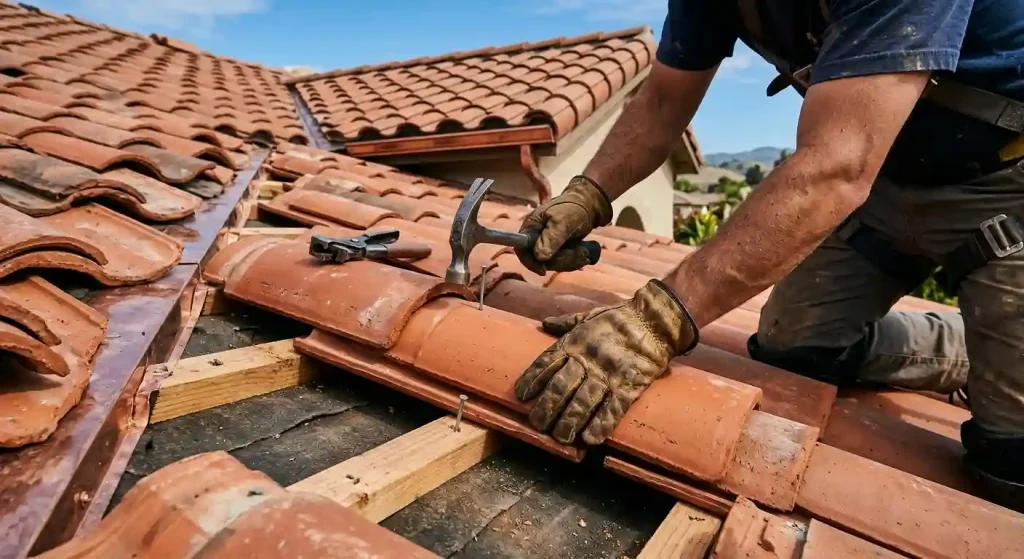
Roofer nailing clay tiles on a Spanish style home, a material that affects roof replacement cost in the Bay Area

How Location Changes Price Across the Bay Area

The Bay Area is not one market. Where your home sits affects permits, access, building styles, and fire rules, all of which shape the final roof replacement cost Bay Area contractors will quote you.

South Bay. San Jose, Santa Clara, Sunnyvale, and Cupertino have many ranch and two-story homes with composition or tile roofs. Prices typically fall in the middle of the ranges above, while tile neighborhoods such as Almaden Valley and Willow Glen trend higher.

Peninsula. Palo Alto, Los Altos, Menlo Park, and Redwood City tend to land at the upper end because of larger custom homes, stricter permit review, and complex rooflines. Eichler homes with low-slope roofs need different systems than standard shingles.

Santa Cruz County. Mountain properties often sit in fire hazard zones with steep, winding access, while coastal homes deal with salt air and moisture. Both push costs up.

South County. Morgan Hill and Gilroy include many newer homes with simpler roof designs, which often places them toward the lower end. If you live in South County, our team provides roofing in Morgan Hill and nearby communities with free, measured estimates.

East Bay. Fremont, Pleasanton, and nearby cities generally sit in the middle range, with hillside and fire-zone homes costing more.

What a Good Roof Replacement Estimate Should Include

The lowest total is not always the best deal. A low number often leaves out deck repair, new flashing, or permit fees, which show up later as change orders. Comparing line items is the most reliable way to judge the true roof replacement cost Bay Area contractors are offering. When you request a quote for professional roof replacement services, make sure the written estimate covers:

  • Tear-off and disposal of all existing layers
  • Per-sheet pricing for any decking or sheathing repair
  • Underlayment type and brand of the new roofing material
  • New flashing, drip edge, ridge, and ventilation details
  • Permit and inspection responsibilities
  • Daily cleanup and a final magnetic nail sweep
  • Manufacturer and workmanship warranty terms in writing
  • Payment schedule and how change orders are handled

Watch for red flags, too. Be cautious of any contractor who quotes without measuring or inspecting the roof, suggests skipping the permit, or asks for a large deposit. Under California law, the down payment on most home improvement contracts cannot exceed $1,000 or 10% of the contract price, whichever is less. Always confirm the contractor’s license with the Contractors State License Board before signing.

Repair or Replace? Looking at Cost Over Time

If your roof is under about 15 years old and the damage is limited to one area, a repair is usually the smarter spend. If a composition roof is 20 years or older and shows curling shingles, heavy granule loss, or repeated leaks in different spots, replacement typically costs less over time than continued patching.

A helpful way to compare options is cost per year of service. A $24,000 shingle roof that lasts 30 years works out to about $800 a year. Repeated $1,500 repairs on a failing roof can approach that figure quickly, without adding any real life to the roof.

Hidden Costs and Smart Ways to Save

A few items commonly add to the total once the old roof comes off:

  • Plywood overlay over skip sheathing
  • Dry rot in fascia boards and eaves
  • Skylight replacement or new skylight flashing
  • Chimney flashing and crickets
  • Solar panel removal and reinstallation

Plan your replacement before the rainy season so you are not paying for emergency tarping or interior damage. Replace gutters at the same time to avoid a second project. Ask whether financing is available so you can choose a longer-lasting material instead of the cheapest one. Finally, remember that homeowners insurance generally covers sudden damage from events like storms or fallen trees, not normal wear and age.

Roofer using a magnetic sweeper to collect nails during cleanup, a step included in roof replacement cost in the Bay Area

Final Thoughts on Roof Replacement Cost in the Bay Area

A new roof is one of the largest investments in your home, and the right price matches your roof’s actual size, condition, and material needs. Use the ranges in this guide to set a realistic budget, then compare written, itemized estimates rather than bottom-line totals alone.

If you want a clear number for your own home, Top Tier Roofing offers free roof replacement estimates across Santa Clara County, Santa Cruz, San Mateo County, Alameda County, and the surrounding Bay Area. Call (408) 337-6985 to schedule your inspection and get a detailed, written plan for your roof.

Frequently Asked Questions

How much does a new roof cost in San Jose?

Most San Jose homes with a 20 to 25 square composition shingle roof pay roughly $19,000 to $35,000 for a full replacement in 2026. Tile roofs, steep pitches, and homes that need new sheathing cost more.

Do I need a permit to replace my roof in the Bay Area?

Yes. Bay Area cities require a building permit and inspection for a roof replacement. A licensed contractor should pull the permit and schedule the inspections as part of the project.

How long does a roof replacement take?

Most composition shingle replacements take two to five working days. Tile roofs, large homes, complex rooflines, and rain delays can extend the timeline to a week or more.

Can I install a new roof over my old one?

California allows up to two layers of roofing, but most roofers recommend a full tear-off. Removing the old roof lets the crew inspect and repair the deck, and it protects your manufacturer warranty.

Does homeowners insurance pay for a roof replacement?

Insurance usually covers sudden damage from covered events such as storms, fire, or fallen trees. It typically does not cover replacement due to age or normal wear. Review your policy and document any damage with photos.

Call Us Now