

How long does a roof last in California? For most homes, the answer is 20 to 30 years for composition shingles, 25 to 35 years for wood shake, and 50 years or more for tile, as long as the underlayment and flashing are kept in good shape. Those ranges shift with your material, your installer, and your local climate, which is why two roofs installed the same year can age very differently. Once you know where your roof stands, our guide to roof replacement cost in the Bay Area can help you plan the next step.
This guide covers typical roof lifespans by material, how California’s sun, coastal fog, and winter storms affect them, the warning signs that your roof is near the end, and the simple habits that add years to the roof you already have.
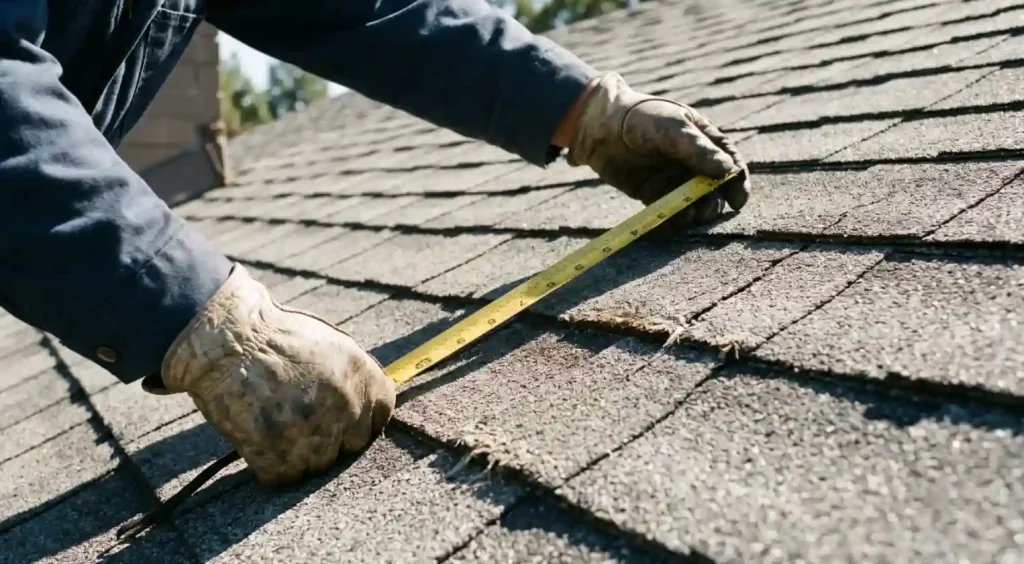
How Long Does a Roof Last in California by Material?
The material on your roof sets the upper limit on its life. Here are realistic ranges for California homes with proper installation and normal maintenance:
| Roofing Material | Typical California Lifespan | What Usually Fails First |
| Architectural composition shingles | 20 – 30 years | Granules, sealant strips, and flashing |
| Premium or designer shingles | 25 – 40 years | Flashing and ridge areas |
| Concrete or clay tile | 50+ years for the tile itself | Underlayment, often at 20 – 30 years |
| Treated wood shake | 25 – 35 years | Splitting, cupping, and fire treatment |
| Metal (standing seam) | 40 – 70 years | Fasteners, sealants, and coatings |
| Low-slope or flat systems | 10 – 30 years | Seams, drainage areas, and penetrations |
Keep in mind that these are averages, not guarantees. A well-built roof on a shaded, well-ventilated home can beat them. A rushed installation on a hot, south-facing roof can fall short by a decade.
It also helps to know your roof’s real age. If you bought your home without records, check your purchase disclosures, the city’s permit history, or any labels left in the attic. A roof that was quietly installed over an older layer may be older than it looks, and that changes how much life you can expect from it.
Composition Shingles
Composition shingles cover more California homes than any other material. Modern architectural shingles typically last 20 to 30 years here, while older three-tab shingles often wore out closer to 15 to 20. The manufacturer warranty may say 30 years or “lifetime,” but that number reflects coverage terms, not a promise of how long the shingles will perform on your specific roof. Heat and UV exposure are the biggest threats, slowly drying out the asphalt and loosening the protective granules.
Tile Roofing
Tile is one of the longest-lasting roofs you can own. Clay and concrete tiles routinely last 50 years or more, and many outlive the home. The catch is what sits underneath. The underlayment below the tiles is the real waterproofing layer, and it often wears out in 20 to 30 years. When a tile roof starts leaking, the tiles are usually fine. A roofer can lift them, install new underlayment and flashing, and reset the original tiles, which costs far less than a brand-new roof.
Wood Shake
Cedar shake usually lasts 25 to 35 years in California, but it needs more care than other materials. Shakes dry out, split, and cup under strong sun, and they collect moss and debris in shaded, damp spots. Many fire hazard areas now require fire-retardant treated shake installed as a Class A assembly, and some cities restrict wood roofing altogether.
Metal and Low-Slope Roofs
Standing seam metal can last 40 to 70 years, though coastal salt air can shorten that if the wrong metal or fasteners are used. Low-slope roofs, common on Eichler homes in Palo Alto and Sunnyvale, vary widely by system and typically last 10 to 30 years.
How California’s Climate Affects Roof Lifespan
California does not have one climate. It has dozens of microclimates, and each one wears a roof down in its own way.
Inland heat and sun. In San Jose, Morgan Hill, Gilroy, and the Central Valley, summer roof surfaces can get extremely hot. Long stretches of heat and UV exposure bake the oils out of asphalt shingles, making them brittle and causing granule loss. South- and west-facing slopes usually age first.
Coastal fog and salt air. Homes near the coast deal with constant moisture, which feeds moss and algae and can corrode metal flashing, vents, and fasteners. In coastal communities, working with experienced roofers in Santa Cruz who choose corrosion-resistant materials makes a real difference in how long the roof lasts.
Winter storms. California’s dry summers are followed by wet winters, and powerful storms can deliver days of heavy rain and strong wind. Weak flashing, lifted shingles, and clogged gutters that went unnoticed all summer are exposed fast once the rain arrives.
Wildfire exposure. In the Santa Cruz Mountains, the Los Gatos hills, and other wildland areas, embers and ash collect in gutters and valleys. Fire-resistant Class A materials and clean roofs are both a safety issue and a longevity issue.
Temperature swings. Many inland areas see warm afternoons and cool nights. That daily expansion and contraction stresses sealants, flashing, and fasteners over time.
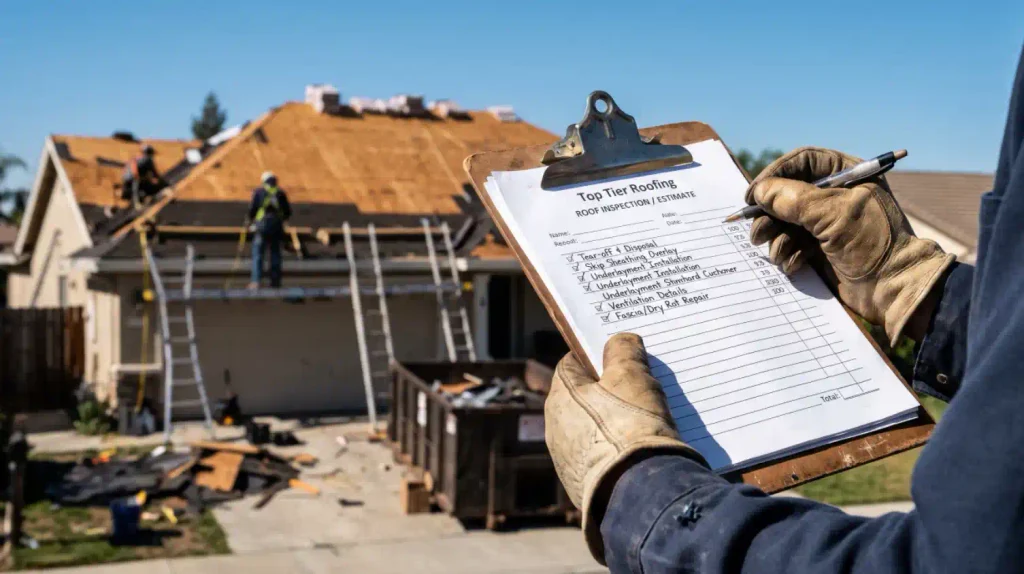
Maintenance: The Factor You Control
You cannot change the weather, but you can control how well your roof is cared for. Two identical roofs can end up 5 to 10 years apart in lifespan based on maintenance alone. A professional roof maintenance program catches small issues before they turn into leaks, rot, or early replacement.
Simple habits that help your roof last longer:
- Schedule an inspection every year, ideally in early fall before the rainy season
- Clean gutters and downspouts so water drains off the roof quickly
- Trim branches that rub the roof or drop heavy leaf debris
- Remove moss and debris from valleys and shaded slopes
- Reseal or replace worn flashing around chimneys, skylights, and vents
- Replace missing or damaged shingles or tiles promptly
- Check the attic for stains, damp insulation, or daylight after major storms
Never climb onto a roof yourself to inspect it. Use binoculars from the ground, look in the attic, or call a licensed roofer for a safe, close-up assessment.
Other Factors That Shorten or Extend Roof Life
Installation quality. This is the most underrated factor. Poor nailing, reused flashing, missing drip edge, and shortcuts around penetrations can shave years off even the best materials. A roof is a system, and every detail matters.
Attic ventilation. A hot, poorly vented attic cooks shingles from below. Balanced intake and exhaust ventilation keeps the roof deck cooler in summer and drier in winter, which helps prevent shingle damage and deck rot.
Roof color and cool roofs. Lighter, reflective “cool roof” products absorb less heat, which can reduce thermal stress on the roof and lower attic temperatures. Depending on your climate zone, California’s Title 24 energy code may require cool roof rated products when you reroof.
Layers. A second layer of shingles installed over an old roof traps heat and hides deck problems, and it often shortens the life of the new layer. A full tear-off is usually the better long-term choice.
Shade and trees. Some shade reduces heat, but heavy tree cover keeps roofs damp and full of debris, which encourages moss and rot.
Signs Your Roof Is Near the End of Its Life
Age is a useful guide, but condition tells the real story. Watch for these warning signs:
- Curling, cupping, or cracked shingles
- Bald spots or heavy granules collecting in your gutters
- Missing shingles after wind or storms
- Cracked, slipped, or broken tiles
- Water stains on ceilings or in the attic
- Sagging areas on the roof surface
- Rusted or lifting flashing around chimneys and skylights
- Repeated leaks in different spots
If you notice one or two isolated issues, a repair may give your roof several more good years. If you see several of these signs on a roof that is 20 years or older, it is time to start planning a replacement.
Repair or Replace? Making the Right Call
Here is a practical rule of thumb. If your roof is in the first half of its expected lifespan and the damage is limited to one area, repair it. If the roof is near or past its expected range and you are paying for repairs every year, replacement usually makes more financial sense.
It also helps to think about cost per year of service. Spending money on repeated patches for a worn-out roof buys you very little time, while a properly installed new roof gives you decades of protection. Some insurance companies also ask about roof age when writing or renewing a policy, and an older roof can affect your coverage options. A newer roof is a selling point for buyers, too, since few people want to inherit a replacement project.
Final Thoughts on How Long a Roof Lasts in California
So, how long does a roof last in California? The honest answer is as long as the material, the installation, and the care allow. Composition shingles typically give you 20 to 30 years, tile can go 50 years or more with an underlayment refresh, and every roof lasts longer when it is inspected and maintained regularly.
If you are not sure how much life your roof has left, Top Tier Roofing offers free inspections and estimates for homeowners across Santa Clara County, Santa Cruz, San Mateo County, Alameda County, and the surrounding Bay Area. Call (408) 337-6985 to schedule a visit and get a clear, honest answer about your roof.
Frequently Asked Questions
How long do asphalt shingles last in California?
Most architectural asphalt shingles last 20 to 30 years in California. Roofs in hot inland areas with poor attic ventilation may wear out sooner, while well-ventilated, shaded roofs often reach the upper end of that range.
How long does a tile roof last in California?
The tiles themselves often last 50 years or more. The underlayment beneath them usually needs replacement after about 20 to 30 years, which can often be done by lifting and resetting the original tiles.
Does the California sun shorten roof life?
Yes. Strong UV exposure and high roof temperatures dry out asphalt shingles and loosen granules over time. South- and west-facing slopes typically show wear first.
How often should I have my roof inspected?
Plan on a professional inspection once a year, ideally before the rainy season, and again after any major storm. Annual checks catch small problems before they become costly leaks.
Is a 20-year-old roof too old?
Not always. A 20-year-old tile roof may have decades left, while a 20-year-old composition roof is often near the end of its life. Condition, leak history, and material matter more than age alone.
