

Tile roof replacement cost in the Bay Area typically runs $28,000 to $44,000 for a concrete tile roof and $38,000 to $60,000 or more for clay tile on an average-size home in 2026. But many homeowners with an aging tile roof do not need brand-new tile at all. Because tile itself can last 50 years or more, the more common fix is replacing the underlayment and resetting the original tiles, which costs far less. If you are not sure how much life your current roof has left, our guide on how long a roof lasts in California is a good place to start.
This guide explains the real costs of full tile replacement, underlayment-only projects, and shingle-to-tile conversions, along with the factors that raise or lower the price on your home. All figures are typical 2026 Bay Area ranges for planning purposes, not quotes.
Tile Roof Replacement Cost at a Glance
Roofers price work by the “square,” which equals 100 square feet of roof surface. Most Bay Area homes with tile roofs have between 18 and 30 squares. Here are typical installed costs, including tear-off, underlayment, flashing, permits, and cleanup:
| Project Type | Cost per Square | Typical 20-Square Roof |
| Underlayment replacement, reuse existing tile | $800 – $1,400 | $16,000 – $28,000 |
| New concrete tile roof | $1,400 – $2,200 | $28,000 – $44,000 |
| New clay tile roof | $1,900 – $3,000 | $38,000 – $60,000 |
| Lightweight or composite tile | $1,300 – $2,100 | $26,000 – $42,000 |
| Shingle-to-tile conversion | Add structural costs | Varies by framing needs |
Bay Area prices sit well above national averages. Skilled labor, permit fees, disposal costs, and California energy and fire codes all add to the total. Tile also takes longer to install than shingles, and handling heavy tile safely on steep roofs requires experienced crews.
Full Replacement vs Underlayment Replacement
This is the most important decision on any tile roof project, and it can change your budget by tens of thousands of dollars.
Why Tile Roofs Usually Leak
The tiles on your roof are not the main waterproofing layer. They shed most of the water and protect what sits below from the sun, but the underlayment beneath them keeps water out of your home. Older felt underlayment often dries out, cracks, and fails after 20 to 30 years, even while the tiles above still look solid. That is why many tile roofs start leaking long before the tiles themselves wear out.
Underlayment Replacement (Lift and Reset)
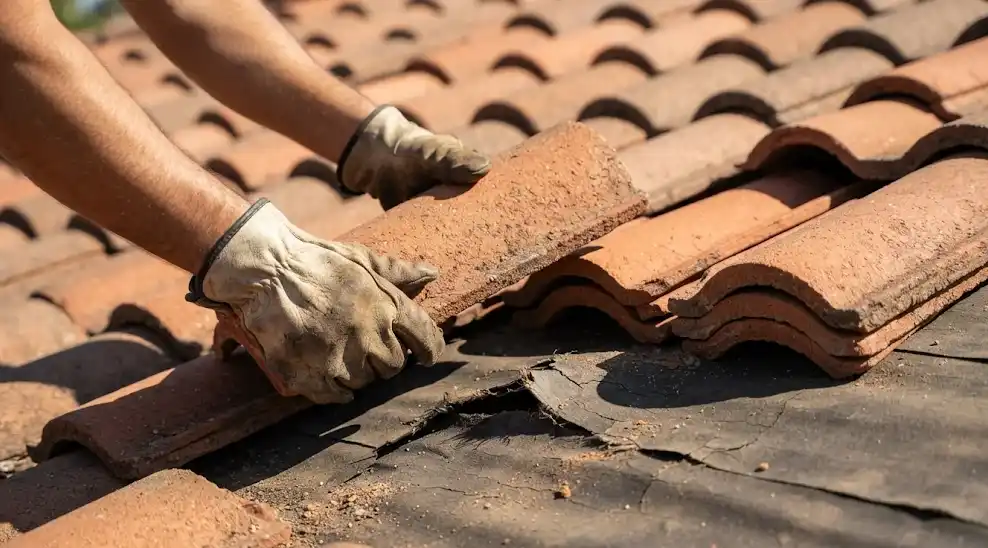
In an underlayment replacement, the crew carefully removes and stacks the existing tiles, tears off the old underlayment, repairs any damaged decking, installs new high-quality underlayment and flashing, and then resets the original tiles. Broken pieces are replaced with matching tiles.
This approach often costs 30% to 50% less than a full new tile roof, keeps your home’s original look, and avoids the waste of throwing away tile that still has decades of life left. It is usually the best value when your tiles are in good shape.
When Full Replacement Makes More Sense
A complete new tile roof is the better choice when many tiles are cracked, crumbling, or brittle with age, when your tile profile has been discontinued and matching replacements are hard to find, or when you want a new color or style. Some older concrete tiles also lose strength over time and break easily when walked on or moved, which makes resetting them impractical.
Concrete vs Clay Tile Cost
Concrete and clay tiles look similar from the street, but they differ in price, weight, and longevity.
Concrete tile is the more affordable choice and the most common tile on Bay Area homes. It comes in flat, low-profile, and high-profile styles and many colors. Concrete tile typically lasts 40 to 50 years or more, though color can fade over time.
Clay tile costs more but offers unmatched durability and color that will not fade, because the color is fired into the material. Clay is a natural fit for Spanish, Mission, and Mediterranean homes in neighborhoods across San Jose, Los Gatos, and Saratoga. With proper underlayment maintenance, clay tile can last 50 to 100 years.
Lightweight and composite tiles are another option. They mimic the look of traditional tile at a lower weight, which can help when a home’s framing was not designed for full-weight tile. Performance and warranty terms vary by product, so compare carefully.
What Affects Tile Roof Replacement Cost
Every tile roof is different. These factors have the biggest impact on your final price.
Roof size and pitch. More squares means more material and labor. Steep roofs require extra safety equipment and slow down tile handling, which raises labor costs.
Roof complexity. Hips, valleys, dormers, chimneys, and skylights all require custom cutting and detailed flashing. Tile is harder to cut and fit than shingles, so complex roofs cost noticeably more.
Tile type and profile. Clay costs more than concrete, and specialty profiles, custom colors, and imported tiles add more. Discontinued profiles can make matching difficult on partial projects.
Breakage and salvage. During an underlayment replacement, some tiles break as they are removed and reset. Most quotes include an allowance for replacement tiles. Older or brittle tiles increase this allowance.
Underlayment choice. Premium synthetic or double-layer underlayment systems cost more up front but provide longer protection beneath long-lasting tile. On a roof meant to last 50 years, this is not the place to cut corners.
Decking repairs. Rotted or damaged sheathing is often discovered only after the old underlayment comes off. A good estimate lists a per-sheet price for repairs.
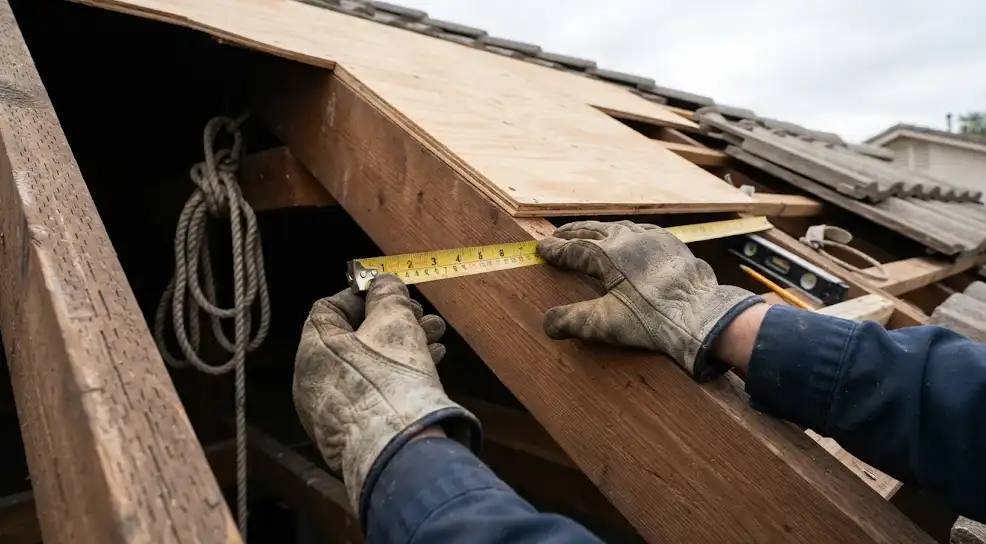
Structural reinforcement. Tile is several times heavier than asphalt shingles. If you are switching from shingles to tile, an engineer may need to confirm your framing can carry the load, and reinforcement can add thousands of dollars.
Permits and code requirements. Bay Area cities require permits and inspections for roof replacements. Homes in designated fire hazard zones must meet Chapter 7A wildfire requirements, including ember-resistant details at the eaves and ridge. Depending on your climate zone, California’s Title 24 energy code may also call for cool roof rated tile when you reroof.
Access. Hillside homes, narrow driveways, and multi-story walls make it harder to load heavy tile onto the roof and can require special equipment.
How Location Changes Tile Roof Prices in the Bay Area
Tile roofing is especially common in certain Bay Area neighborhoods, and local conditions affect cost. In San Jose communities like Almaden Valley, Willow Glen, and Evergreen, many homes have original concrete tile roofs that are now 25 to 40 years old and ready for new underlayment. On the Peninsula, larger custom homes with complex clay tile roofs and stricter permit review tend to land at the upper end of the price range. Homeowners looking for a roofing contractor in Los Altos and nearby cities often see higher costs because of intricate rooflines and premium materials.
In the Santa Cruz Mountains and hillside areas, fire hazard requirements and difficult access push costs higher. Coastal homes may need corrosion-resistant fasteners and flashing because of salt air.
Getting an Accurate Tile Roof Estimate
A tile roof project should always start with an on-site inspection. A roofer needs to walk the roof carefully, check tile condition, look at the underlayment in several spots, and inspect the attic for signs of leaks or rot. Quotes based only on satellite measurements cannot tell you whether your tiles can be reused.
When you compare estimates, look for these details in writing:
- Whether the quote is for full replacement or underlayment replacement with tile reset
- Brand and type of underlayment
- Breakage allowance and the price per replacement tile
- New flashing at walls, chimneys, valleys, and skylights
- Per-sheet price for decking repairs
- Permit, inspection, and disposal costs
- Manufacturer and workmanship warranty terms
For a detailed look at materials, profiles, and how we approach these projects, visit our tile roofing page. Be cautious of any contractor who quotes without inspecting the roof, recommends full replacement without explaining why your tiles cannot be reused, or asks for a large deposit. Under California law, the down payment on most home improvement contracts cannot exceed $1,000 or 10% of the contract price, whichever is less.
Ways to Save on a Tile Roof Replacement
Reuse your existing tile. If your tiles are in good condition, an underlayment replacement is the single biggest way to save.
Keep spare tiles. Ask your roofer to set aside extra tiles from the project for future repairs, especially if your profile is no longer made.
Plan before the rainy season. Scheduling work in late spring or summer avoids emergency repairs and interior water damage during winter storms.
Fix small problems early. Replacing a few cracked tiles or resealing flashing costs little compared with the damage a long-term leak can cause.
Ask about financing. Financing can make it easier to choose quality underlayment and materials instead of the cheapest option.
Final Thoughts on Tile Roof Replacement Cost
Tile is one of the longest-lasting roofs you can own, and the smartest way to protect that investment is to understand your options. In many cases, new underlayment with your original tiles reset gives you decades of protection at a fraction of the cost of a full new roof. When tiles are worn out or you want a new look, a full replacement in concrete or clay adds lasting value to your home.
To find out whether your tile roof can be saved or needs full replacement, Top Tier Roofing offers free inspections and detailed estimates across Santa Clara County, Santa Cruz, San Mateo County, Alameda County, and the surrounding Bay Area. Call (408) 337-6985 to schedule your visit.
Frequently Asked Questions
How much does it cost to replace a tile roof in the Bay Area?
A new concrete tile roof typically costs $28,000 to $44,000 for a 20-square roof, while clay tile runs about $38,000 to $60,000 or more. Underlayment replacement with the original tiles reset usually costs $16,000 to $28,000.
Can you replace the underlayment without replacing the tiles?
Yes. If your tiles are in good condition, a roofer can remove them, install new underlayment and flashing, and reset the original tiles. This is often the most cost-effective option for older tile roofs.
How long does a tile roof replacement take?
Most tile roof projects take one to three weeks, depending on roof size, complexity, weather, and whether tiles are being reset or replaced.
Is clay tile worth the extra cost?
Clay tile costs more than concrete, but it holds its color and can last 50 to 100 years with proper underlayment maintenance. It is often worth it for homeowners planning to stay long term or matching an original clay roof.
Can I switch from shingles to tile?
Often, yes, but tile is much heavier than shingles. An engineer may need to review your framing, and reinforcement may be required, which adds to the total cost.
